Retirement Living: Embracing a Active Existence
Senior living in modern times reflects a transition towards a more energetic way of life. It merges coziness with chances for social engagement and personal development. Strategically planned locations facilitate self-direction while fostering social ties. Health programs constitute an indispensable role, as do engaging activities that spark friendships. What elements truly impact this gratifying undertaking? Delving into these considerations reveals how contemporary elderly care can greatly lift the quality of life for older adults.
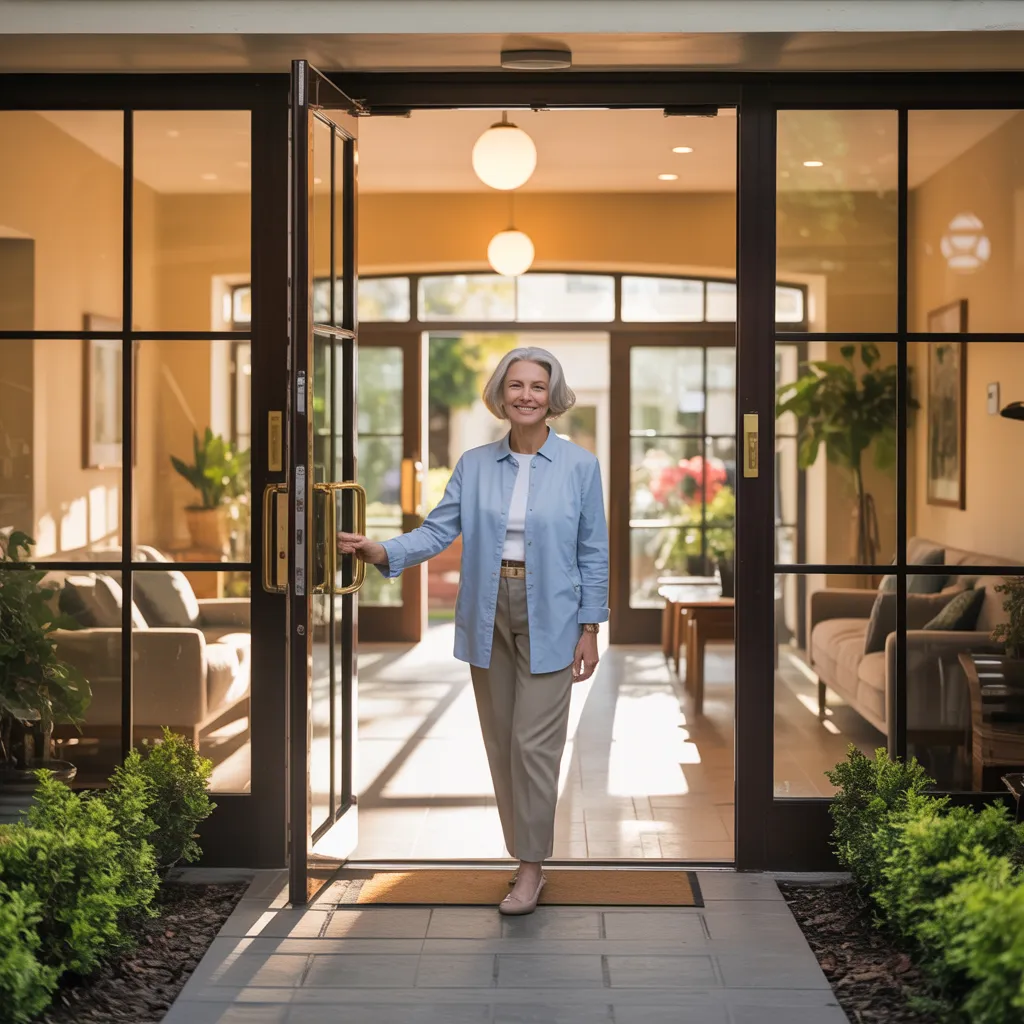
What Today's Retirement Communities Seems Like
Contemporary senior living has developed substantially, demonstrating a mixture of comfort and community. Modern facilities highlight aesthetics and functionality, presenting well-designed apartments that meet the needs of older adults. Open floor plans, natural light, and accessible features boost the living experience, encouraging a sense of independence.
Community spaces serve a fundamental need, offering shared areas for social activities, dining, and wellness programs. Many senior living environments include gardens, walking paths, and recreational facilities, prompting residents to connect with nature and promote ongoing physical engagement.
Moreover, tech adoption has grown widespread, furnishing residents with instruments for communication, entertainment, and safety. Intelligent household systems and emergency response systems strengthen security while fostering autonomy.
Health and Wellness in Senior Living
Health and wellness are often given priority in senior living environments, demonstrating a comprehensive approach to aging. These communities commonly include various health services, such as regular medical check-ups, nutritional counseling, and fitness programs customized to the needs of older adults. By promoting a caring atmosphere, residents are motivated to manage their health via preventive measures and lifestyle adaptations.
Mental wellness is equally emphasized, with resources such as therapy and cognitive activities created to keep minds engaged. Many centers also promote social well-being by offering health seminars, mindfulness classes, and access to nature, all of which lead to a balanced lifestyle. Additionally, the focus on customized treatment strategies ensures that each resident receives care that aligns with their individual health goals. Overall, these programs aim to enhance the quality of life, empowering seniors to flourish in their later years.
Activities That Build Connections
When nurturing a community spirit, connection-building activities in senior living environments prove essential in improving residents' social connections. Taking part in group-based activities such as art classes, gardening clubs, and game nights fosters interaction and friendship among residents. These collective moments break down social barriers and nurture a caring atmosphere.
Moreover, planned excursions, like trips to local theaters or nature parks, provide opportunities for residents to bond over shared passions and experiences away from the facility. Consistent social events, including potluck dinners and holiday celebrations, deepen relationships through communal participation.
Furthermore, volunteering options throughout the community can inspire a sense of fulfillment while connecting residents with one another and the broader community. Overall, these activities not only enrich residents' lives but also create a vibrant and interconnected living environment.
Lifelong Learning Opportunities for Seniors
Elderly individuals enjoy considerable benefits from encountering new ideas and perspectives, which can strengthen their quality of life. Workshops and lectures regularly bring in guest speakers, creating a dynamic atmosphere where residents can ask questions and share insights. Additionally, online courses deliver flexibility, allowing seniors to learn at their own pace.
How Community Strengthens Senior Well-being
As individuals age, the connection to others to a social circle can tremendously boost their general contentment. Engaging with others fosters valuable relationships, which are essential for emotional well-being. Communities facilitate chances for social interaction, reducing feelings of loneliness and isolation that regularly come with aging. Regular participation in organized activities—such as seminars, outings, or group meals—encourages seniors to build friendships, relay experiences, and support one another.
Moreover, a lively neighborhood often promotes a sense of purpose. When older adults contribute their expertise and experience, they feel valued and engaged, further boosting their confidence. Availability of services, such as medical care and recreational facilities, within a community can also improve their quality of life.
In the end, a strong community network not only increases well-being but can also contribute to healthier and more rewarding lives for seniors, helping them to embrace their golden years with energy and joy.
Commonly Requested Questions
How Much Do Senior Living Facilities Cost?
Fees affecting senior living facilities might include monthly rent, utility fees, care services, meal plans, and additional amenities. Financial considerations range broadly based on location, facility type, and level of care required.
How Can I Pick the Perfect Retirement Community?
Finding the ideal residential community calls for evaluating personal needs, visiting potential facilities, assessing services offered, taking into account location, and reviewing costs. Engaging with current residents can provide valuable insights into the community's atmosphere and quality of life.
What Types of Accommodations Are Available in Senior Living?
Various accommodations in senior living include independent apartments, assisted living units, memory care suites, and skilled nursing facilities. Each option caters to different needs, ensuring residents find a suitable environment for their personal circumstances and medical needs.
Are Pets Welcome in Senior Living Communities?
Many retirement communities allow pets, recognizing their positive impact on residents' well-being. Standards differ, however, with some residences imposing breed or size rules and asking for security deposits for pets to establish a peaceful atmosphere.
Family Members: How to Maintain Connection in a Senior's Life?
Family members can stay connected in a helpful resource senior's life by planning regular get-togethers, engaging in shared activities, staying in touch via phone calls and messages, and assisting with technology to exchange memories and preserve relationships effectively.